China Top 3D Dental Scanner Suppliers for Global Buyers
Choosing a Chinese dental scanner supplier involves more than comparing prices, specifications, and attractive product photographs. Global buyers need dependable evidence about scanning accuracy, software compatibility, production quality, and after-sales support. This guide examines China’s top 3D dental scanner suppliers through a practical purchasing lens. It considers product experience, technical expertise, industry reputation, and the reliability of public information. The phrase 3d dental scan may describe a digital workflow, but real performance appears in daily clinical details. A scanner should capture margins clearly, process images smoothly, and remain comfortable during repeated use.
Supplier assessment also requires careful questioning. Can the company provide current certifications, test reports, user training, and responsive technical assistance? Are software updates transparent? Do distributors receive replacement tips and clear warranty terms? These details often matter more than a polished exhibition booth. No supplier is perfect. Product limitations may appear under difficult lighting, reflective surfaces, or complex restorative cases. That deserves honest attention. Buyers should request demonstrations, compare sample scans, verify compliance requirements in their target markets, and speak with existing professional users where possible. Factory capacity is useful, but quality control records and stable communication provide stronger confidence. This overview aims to help clinics, laboratories, distributors, and procurement teams make informed decisions. It does not replace independent verification. A careful buyer checks every important claim. That small step can prevent expensive surprises after shipment.
What Defines a Reliable 3D Dental Scanner Supplier in China
China Top 3D Dental Scanner Suppliers for Global Buyers
A reliable 3D dental scanner supplier proves performance beyond a catalogue. Grand View Research valued the global intraoral scanner market at about USD 650 million in 2023. It also projects strong double-digit growth through 2030. This growth attracts capable manufacturers and inexperienced sellers. Buyers should request independent accuracy tests, scan-time records, and repeatability data. A precise scanner should capture margins clearly under ordinary clinic lighting, not only inside a polished demonstration room.
Manufacturing discipline matters. Verify ISO 13485 certification, production traceability, calibration procedures, and documented software controls. Ask whether each scanner receives a serial-numbered final inspection. Confirm export documents and electrical compliance for the destination market. Interoperability is practical, not decorative. The device should export open STL or PLY files and connect with common CAD/CAM workflows. The WHO Global Oral Health Status Report estimates that nearly 3.5 billion people live with oral diseases, increasing pressure on efficient digital treatment systems.
Support often reveals the supplier’s real experience. Request response-time commitments, remote training, replacement-part procedures, and firmware update policies. Cybersecurity deserves attention because patient scans are sensitive clinical data. ISO 14971 risk management and IEC 62304 software processes provide useful evidence, although certificates alone cannot guarantee daily reliability. A factory tour, sample scan, and trial order are wiser than trusting brochures. No supplier is flawless. That is precisely why transparent test limits, repair records, and honest communication matter.
What Defines a Reliable 3D Dental Scanner Supplier in China?
This buyer-evaluation model prioritizes product quality, regulatory readiness, scanning performance, technical support, manufacturing capability, and export service. The percentages represent suggested procurement weights rather than performance claims about any individual supplier or brand.
Reference framework: ISO 13485 quality management, ISO 14971 medical-device risk management, IEC 60601-1 electrical safety, IEC 62304 medical software lifecycle processes, and applicable destination-market registration requirements.
Key Technologies Used in China’s Dental Scanners
China Top 3D Dental Scanner Suppliers for Global Buyers
Key Technologies Used in China’s Dental Scanners
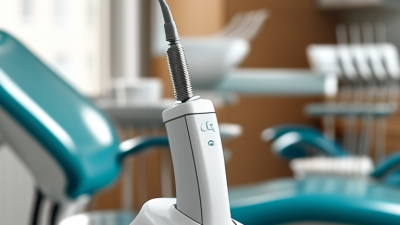
Modern Chinese dental scanners commonly use structured light, blue LED projection, or confocal imaging. These systems capture tooth surfaces without physical contact. Blue light can reduce interference from nearby lighting and reflective enamel. However, clinical accuracy still depends on scanning technique and calibration.
AI-assisted stitching is another important technology. Software joins thousands of small images into a continuous digital model. It can identify repeated surfaces and correct minor tracking errors. During a full-arch scan, the operator usually follows a controlled path from molar to molar. Saliva, blood, and fogging may still create holes in the mesh. No scanner is perfect.
Open export formats improve cooperation with laboratories and CAD/CAM workflows. Many devices support direct data transfer through wired or wireless connections. Buyers should check file compatibility, encryption, service response, and update policies. In practical evaluations, operators should test crowded anterior teeth, deep molars, and reflective restorations. A fast scan is not automatically a reliable scan. Calibration routines, documented accuracy tests, and compliance with applicable medical-device requirements deserve close review. Some interfaces feel highly polished, while others still need refinement. That small weakness can affect training time and daily consistency.
China’s Top Three 3D Dental Scanner Suppliers
China’s top three 3D dental scanner suppliers are often judged by export experience, scan accuracy, and after-sales support. The leading supplier profile usually combines structured-light hardware with software that exports open STL or PLY files. This matters when clinics change laboratories. The second profile focuses on compact intraoral scanners, faster chairside workflows, and easier staff training. The third profile often competes through flexible OEM services, regional distributors, and lower ownership costs. These descriptions are practical categories, not fixed rankings.
Grand View Research reported that the global intraoral scanners market reached about USD 1.1 billion in 2023. It also expects strong growth through 2030. However, market reports use different definitions, so buyers should avoid treating every forecast as precise. In real evaluations, I would compare repeat-scan consistency, full-arch performance, tip heating time, software updates, and warranty response. A polished demonstration is not enough. Request independent test files and observe scanning on reflective surfaces. Small details expose weak workflows.
Tips: Ask each shortlisted supplier for ISO 13485 evidence, local regulatory documentation, cybersecurity information, and service-level terms. Confirm whether the quoted price includes calibration, training, replacement tips, and software access. Check three clinical cases, not one. A low purchase price may become expensive when support is slow. Supplier selection should reflect your patient volume, laboratory compatibility, and local compliance duties.
Product Comparison: Accuracy, Speed, Software, and Compatibility
China Top 3D Dental Scanner Suppliers for Global Buyers
Accuracy, speed, software, and compatibility deserve equal attention when comparing dental scanners. A 2023 systematic review in the Journal of Dentistry reported full-arch trueness commonly within 50–150 micrometers, depending on scanning strategy and reference methods. That range matters. A loose scan margin can affect crown seating, especially near distal molars.
Speed varies in real clinics. Recent reviews of intraoral scanning workflows report typical full-arch capture times of roughly two to five minutes for experienced operators. However, operator training changes the result. A fast scanner may still produce stitching errors around saliva, reflective enamel, or deep occlusal anatomy. Faster is not always better.
Software should support clear margin marking, bite alignment, and simple case export. Open formats such as STL, PLY, or OBJ can reduce workflow friction across CAD systems. Compatibility requires testing, not promises. Check whether the scanner exports full-resolution files, preserves color data, and connects with existing laboratory software. ISO 20896-1 provides a useful framework for evaluating scanner performance, but laboratory conditions rarely match a busy clinic. My practical concern is often overlooked: excellent headline accuracy can decline after repeated calibration delays, poor tip handling, or unstable wireless transfers. A side-by-side trial using the same model and operator is still the most reliable purchasing evidence.
How Global Buyers Can Evaluate and Select a Supplier
China Top 3D Dental Scanner Suppliers for Global Buyers
How Global Buyers Can Evaluate and Select a Supplier
Global buyers should assess a dental scanner supplier through evidence, not polished brochures. Request factory details, quality certificates, calibration records, and export experience. Verify certificates with issuing bodies, because scanned documents can be outdated. Ask whether production follows a documented quality system, such as ISO 13485. Check the certificate scope. Does it cover the scanner and software?
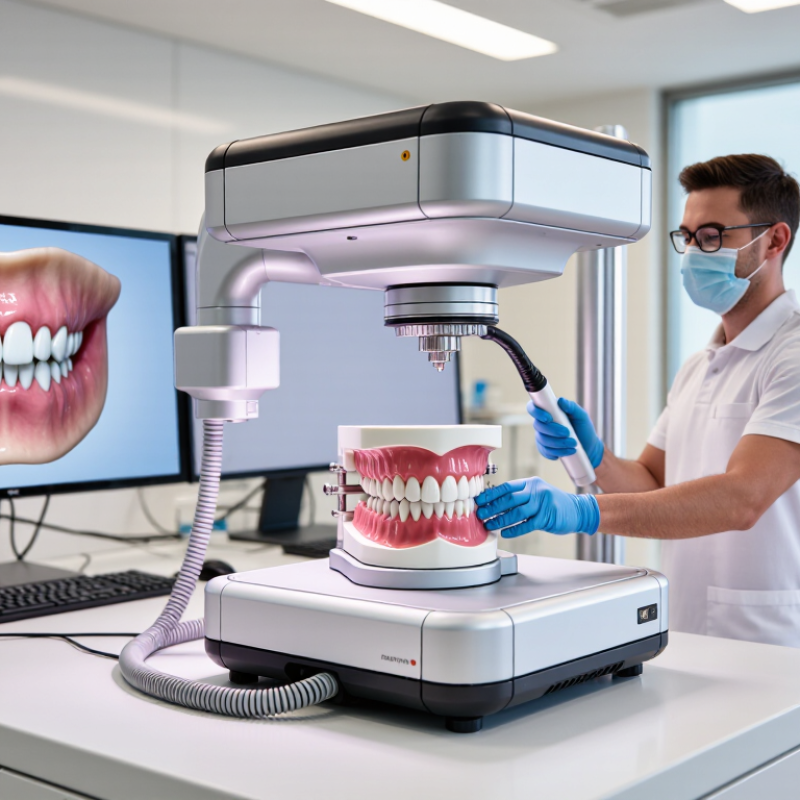
Use a controlled sample test before signing a large order. Scan the same dental model with two devices, then compare mesh detail, stitching, and repeatability. Record scan time, operator steps, file formats, and software crashes. Request raw files, not selected screenshots. Clinical usability also matters. Check tip sterilization guidance, handpiece weight, cable design, and patient-data protection. These details affect daily costs and staff acceptance.
Supplier support deserves equal attention. Ask for response times, remote training, spare-part availability, warranty limits, and firmware policies. Contact two recent overseas customers with similar laboratory workflows. An attractive quotation can hide shipping delays, software fees, or difficult repairs. I once treated price as the main signal; that decision needed rethinking. Cheap equipment is not cheap when a replacement part waits six weeks. Keep a written scoring sheet covering accuracy, software stability, service, compliance, delivery, and total ownership cost. Leave room for uncertainty, because real performance may differ after months of daily use.